
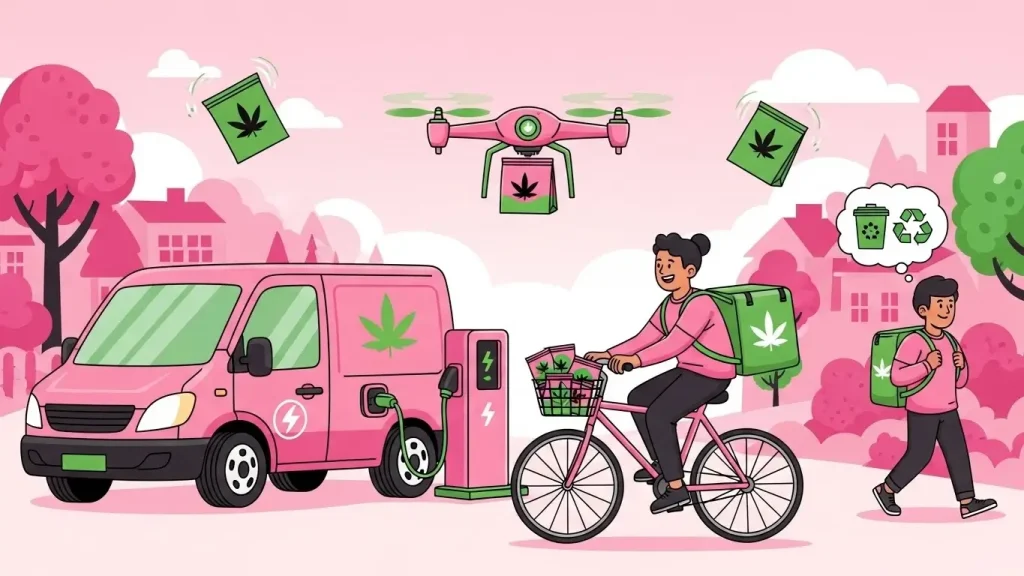
Making weed delivery sustainable involves optimizing every step, from eco-conscious packaging and carbon-neutral transport to partnering with sun-grown producers and implementing circular business models. As consumer demand for environmentally responsible products skyrockets, cannabis delivery services that embrace green practices are building stronger brand loyalty and future-proofing their operations. This comprehensive guide details seven actionable strategies to make weed delivery more sustainable, reduce your carbon footprint, and meet the growing demand for eco-friendly weed delivery.
The Urgent Case for Green Cannabis Delivery
The legal cannabis industry is at a crossroads. On one hand, it’s a booming market; on the other, it faces significant environmental scrutiny. Did you know that indoor cannabis cultivation is an energy-intensive process, with some estimates suggesting it accounts for about 1% of total electricity use in the United States? Furthermore, the industry has historically relied on single-use plastics, with one report indicating nearly one billion pieces were used in the U.S. in 2020 alone.
Today’s consumers, especially millennials and Gen Z, are increasingly values-driven. A Brightfield Group study found that 57.1% of cannabis consumers favored eco-friendly products in 2023, and 69% reported often or sometimes buying products with sustainable packaging. This isn’t just a trend—it’s a fundamental shift in purchasing behavior. For a weed delivery service, the last-mile journey to the customer’s door represents a critical opportunity to differentiate your brand, reduce environmental impact, and connect with a conscious clientele. The question is no longer if you should adapt, but how quickly you can implement these changes to make your cannabis business more eco-friendly.
1. Revolutionize Last-Mile Logistics with Low-Emission Fleets
The “last mile” is often the most carbon-intensive part of any delivery. Transforming your fleet is the most visible and impactful step toward sustainable weed delivery.
- Transition to Electric & Hybrid Vehicles: Switching to electric vehicles (EVs), e-scooters, e-bikes, or hybrid models directly eliminates tailpipe emissions. For example, services like Get weed delivery in Delta are adopting these models to align with community sustainability goals. This shift significantly reduces the carbon footprint of cannabis distribution.
- Implement AI-Powered Route Optimization: Use smart logistics software to consolidate orders and plan the most efficient delivery routes. These algorithms maximize delivery density per trip, reducing total miles driven, fuel consumption, and associated emissions.
- Decentralize Fulfillment: Establishing smaller, strategic storage hubs closer to high-density customer areas can dramatically shorten delivery distances. This model, coupled with efficient cannabis delivery logistics, reduces travel time and energy use.
2. Lead with Sustainable, Circular & Plastic-Free Packaging
Packaging is a major pain point for eco-conscious consumers. Leading the shift away from single-use plastics is essential for any service that wants to make weed delivery more sustainable.
- Choose Plant-Based and Recycled Materials: Move beyond virgin plastics. Opt for hemp plastic packaging, which is derived from renewable hemp biomass and is biodegradable or recyclable. Alternatively, use packaging made from 100% reclaimed ocean-bound plastic, giving this waste stream a new life.
- Embrace Glass and Recycled Paper: Glass is infinitely recyclable, and many jars already contain 15-30% recycled content (with some options containing up to 75%). For outer packaging, choose recycled paperboard or hemp paper packaging, which grows much faster than trees and doesn’t contribute to deforestation.
- Right-Size and Minimize Waste: Use minimalist design to reduce material use. Avoid oversized boxes and excess layers. Some forward-thinking brands even offer compostable smoking accessories, like plantable joint tips embedded with wildflower seeds.
Comparison of Sustainable Packaging Materials for Cannabis Delivery
3. Partner with Sun-Grown and Regenerative Farms
The sustainability of your products begins long before delivery. Your choice of supply chain partners is crucial. Aligning with cultivators who use sustainable cannabis cultivation practices ensures your entire operation is greener from seed to sale.
- Prioritize Sun-Grown Cannabis: Outdoor or greenhouse cultivation that uses natural sunlight has a drastically lower carbon footprint than indoor grows. One study found that indoor-grown cannabis can emit 50 times more carbon than sun-grown alternatives. Supporting sun-grown cannabis brands is a powerful way to reduce the embedded energy in your products.
- Source from Regenerative & Living Soil Farms: Seek out partners who practice regenerative cannabis farming. These methods focus on improving soil health, capturing carbon, and enhancing farm ecosystems. Living soil cultivation avoids synthetic nutrients and uses a rich microbiome to produce potent, high-quality flower with minimal environmental impact.
- Look for Credible Certifications: Since cannabis cannot legally be labeled “organic” in the U.S., look for other certifications that signal clean cultivation, such as OCal, EnviroCann, or the DEM (Dragonfly Earth Medicine) standard for regenerative farms.
4. Implement a Smart, Waste-Conscious Inventory System
Product waste represents a significant financial and environmental loss. Technology can help create a leaner, greener operation.
- Use Demand Forecasting: Implement inventory management software that uses sales data to accurately predict demand. This prevents overstocking, which can lead to unsold, expired products that must be disposed of—a waste of all the energy and resources used to produce them.
- Optimize Storage with IoT: Internet of Things (IoT) sensors can monitor storage conditions (temperature, humidity) in real-time, ensuring product integrity and preventing spoilage during storage and transport.
- Establish a Product Recycling Program: For unused or returned products, work with licensed facilities that can safely process cannabis waste into compost or other non-consumable materials, contributing to innovative cannabis waste management.
5. Empower Consumers with Education and Green Choices
Your customers are your allies in sustainability. By educating them and providing clear green options, you turn a business practice into a shared mission.
- Offer a Carbon-Neutral Delivery Option: At checkout, give customers the choice to add a small fee to offset carbon emissions from their delivery. Invest these funds in verified reforestation projects or renewable energy credits.
- Create a Packaging Return Program: Incentivize customers to return clean, used packaging (like glass jars) for recycling or refilling. This circular model builds loyalty and drastically cuts waste.
- Transparently Showcase Your Efforts: Use your website, packaging inserts, and social media to explain your eco-friendly weed delivery practices. Highlight your partners’ sustainable cultivation methods and the benefits of hemp plastic packaging. Transparency builds the trust that is central to modern cannabis brand authority.
6. Build a Green-Conscious Company Culture and Network
Sustainability must be woven into the fabric of your business, from your office practices to your choice of partners.
- Go Paperless Internally: Digitize order forms, manifests, customer receipts, and HR documents. This reduces waste, streamlines operations, and projects a modern, efficient brand image.
- Choose Eco-Conscious Service Partners: From your accountant to your lawyer, seek out service providers who share your environmental values. This extends your positive impact and creates a cohesive brand story.
- Outsource Testing to Sustainable Labs: Even necessary services like lab testing for potency and contaminants have a green alternative. Partner with labs that use energy-efficient equipment and sustainable operating practices.
7. Innovate with Circular Models and Community Engagement
True industry leadership means looking beyond standard practices to pioneer new models that give back.
- Develop a “Zero-Waste Delivery” Kit: Offer a premium, reusable delivery kit—a smell-proof, airtight container that customers keep and refill. This eliminates single-use packaging entirely for repeat customers.
- Support Community Environmental Initiatives: Align your brand with local sustainability projects, such as river clean-ups, urban gardening, or reforestation projects you already support through carbon offsets. Sponsor events and volunteer as a team.
- Advocate for Better Industry Standards: Use your position to push for regulatory changes that enable greater sustainability, such as standards for reusable packaging or incentives for renewable energy for cannabis cultivation.
The Tangible Benefits of a Sustainable Delivery Model
Adopting these practices isn’t just good for the planet—it’s a smart business strategy with measurable returns:
- Enhanced Brand Loyalty & Trust: You attract and retain the growing segment of consumers who make purchasing decisions based on values.
- Operational Cost Savings: Efficient routes, reduced packaging waste, and lower energy consumption improve your bottom line over time.
- Future-Proof Compliance: Proactively adapting to environmental standards positions you ahead of potential regulations.
- Competitive Market Differentiation: In a crowded market, a genuine commitment to sustainability is a powerful unique selling proposition.
Conclusion: Delivering a Greener Future
The path to a truly eco-friendly weed delivery service requires a holistic commitment. It’s about rethinking your fleet, demanding better packaging, partnering with responsible growers, leveraging technology, and engaging your customers in your mission. The seven strategies outlined here provide a actionable roadmap to make your cannabis business more eco-friendly, reduce your operation’s carbon footprint, and lead the industry toward a more responsible future.
The market is shifting. Consumers are choosing brands that reflect their values. By starting with even one or two of these changes today, you’re not just delivering a product—you’re delivering on a promise for a healthier planet.
Ready to transform your delivery service? Share which sustainable strategy you’ll implement first in the comments below, or contact us for a personalized audit of your green delivery potential.
Frequently Asked Questions (FAQs) About Sustainable Weed Delivery
What makes cannabis delivery bad for the environment?
Traditional cannabis delivery can have a high environmental impact due to several factors: the use of gasoline/diesel delivery vehicles emitting greenhouse gases, excessive single-use plastic and non-recyclable packaging, energy-intensive indoor cultivation of the products being delivered, and inefficient delivery routes that waste fuel.
How can I tell if a weed delivery service is truly sustainable?
Look for concrete actions, not just marketing claims. A truly eco-friendly weed delivery service will often: use electric or hybrid vehicles, offer plastic-free or hemp plastic packaging, have a carbon-offset option at checkout, partner with sun-grown or organically certified farms, and provide clear information about their sustainability practices on their website.
Is sustainable packaging still child-resistant?
Yes. Reputable suppliers like Sana Packaging design sustainable cannabis packaging that is both child-resistant and tamper-evident to meet strict regulatory requirements. You do not have to choose between safety and sustainability.
Doesn’t electric delivery just move the emissions to the power plant?
While this is a consideration (the “grid mix”), it’s still far more efficient. Electric vehicles convert over 77% of electrical energy to power, while gasoline vehicles only convert about 12-30%. Furthermore, as the grid shifts to more renewable energy, the emissions from EVs drop accordingly, creating a continually cleaner solution.
Can sustainable practices actually save my delivery business money?
Absolutely. While some upgrades (like an EV fleet) require upfront investment, many sustainable cannabis business practices lead to long-term savings: optimized routes save on fuel, reduced packaging lowers material costs, energy-efficient operations cut utility bills, and preventing product waste preserves profit.
What is the most impactful change a delivery service can make?
Transitioning to a low-emission delivery fleet (e-bikes, EVs) combined with AI-powered route optimization is often the most impactful single change, as it directly attacks the largest source of a delivery service’s operational emissions—the last-mile journey.