
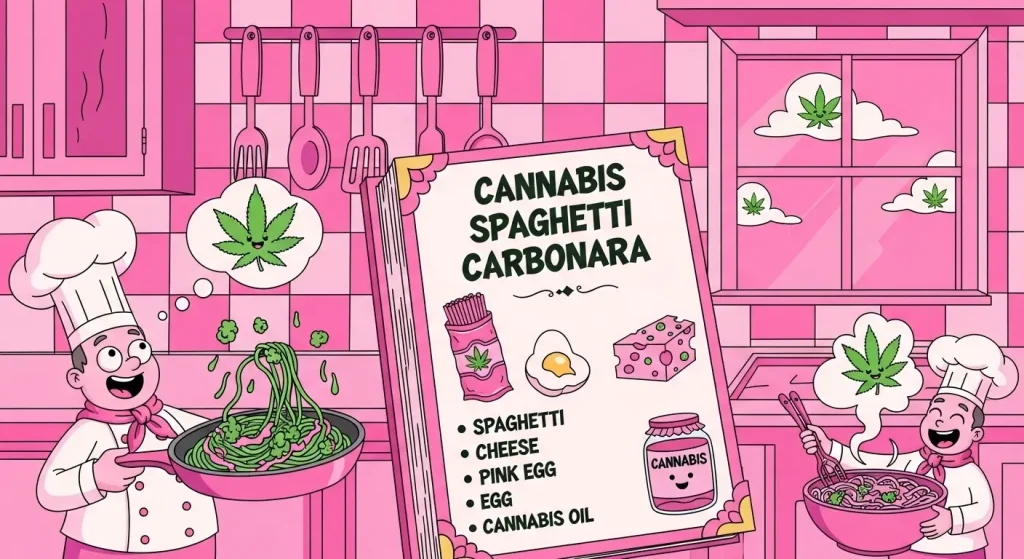
Imagine transforming a classic Italian comfort dish into a sophisticated, elevated dining experience. Carnabis spaghetti carbonara represents this exciting culinary frontier, merging the rich, creamy textures of traditional Roman pasta with the nuanced effects of carefully infused cannabis. This isn’t just about adding cannabis to food—it’s about creating a harmonious dish where the earthy notes of premium cannabis complement the salty pancetta, sharp pecorino, and silky egg emulsion that defines authentic carbonara.
For culinary adventurers and therapeutic cannabis users alike, mastering how to make cannabis spaghetti carbonara opens up new possibilities for infused dining. Unlike quick-acting methods of consumption, cannabis-infused meals offer a gradual, extended experience that many find more manageable and enjoyable. However, this culinary journey requires careful attention to detail—from proper infusion techniques to precise dosing calculations—to ensure both exceptional flavor and responsible consumption. Whether you’re exploring cannabis cuisine for wellness purposes or simply seeking a novel dining experience, this comprehensive guide provides everything you need to create this remarkable dish with confidence and expertise.
Understanding Cannabis-Infused Carbonara
Cannabis spaghetti carbonara transforms a traditional Roman pasta dish by incorporating cannabinoids through infused fats. Unlike regular carbonara that uses standard fats like olive oil or butter, this version replaces or supplements some of that fat with cannabis-infused butter or oil, introducing THC, CBD, or other cannabinoids into the dish. The rich, fatty components of carbonara make it particularly well-suited for cannabis infusion, as cannabinoids are fat-soluble and bind effectively with the dish’s existing lipids.
The effects of cannabis carbonara differ significantly from other consumption methods. When consumed as an edible, cannabinoids undergo first-pass metabolism in the liver, converting THC to 11-hydroxy-THC, which often produces stronger, longer-lasting effects compared to inhalation. This makes proper dosing particularly important, as effects can take 30-120 minutes to manifest and typically last 4-8 hours or longer. The delayed onset means the cannabis pasta experience unfolds gradually, inviting a more mindful approach to both cooking and consumption.
Essential Preparation: Ingredients and Equipment
Selecting Your Core Ingredients
Creating exceptional cannabis spaghetti carbonara begins with sourcing quality components. For the cannabis element, you have two primary infusion options: cannabutter or cannabis-infused oil. Cannabutter tends to create a richer, more decadent dish, while cannabis oil offers a lighter texture that some find easier to digest. Whichever you choose, ensure your infusion uses properly decarboxylated cannabis—a crucial heating process that activates the THC by converting THCA to its psychoactive form.
For the traditional components, seek authentic Italian ingredients:
- Pasta: High-quality spaghetti is traditional, but fettuccine works beautifully too.
- Pork: Guanciale (cured pork cheek) is most authentic, but pancetta or quality bacon make excellent substitutes.
- Cheese: Pecorino Romano offers authentic sharpness, though Parmesan works well.
- Eggs: Fresh eggs with vibrant orange yolks create the signature silky sauce.
Pro Tip: If you’re new to cannabis cooking, consider starting with a CBD-dominant strain or infusion for therapeutic benefits without pronounced psychoactive effects.
Gathering Necessary Equipment
Proper tools streamline the cooking process and help prevent common mistakes. You’ll need:
- Large pot for boiling pasta
- Heavy skillet or frying pan
- Mixing bowls in various sizes
- Whisk for emulsifying the egg-cheese mixture
- Tongs for tossing pasta
- Cheese grater for fresh grating
- Strainer or colander
- Thermometer (optional but helpful for temperature control)
The most critical aspect of equipment is having everything prepared before you begin cooking. Carbonara comes together quickly, and cannabis infusions require careful temperature management to preserve cannabinoid integrity.
Mastering the Core Cooking Technique
Step-by-Step Recipe for Perfect Cannabis Carbonara
Follow this detailed method to create a perfectly creamy, properly infused cannabis carbonara:
- Cook the Pasta: Bring a large pot of generously salted water to a rolling boil. Add spaghetti and cook until al dente (typically 1-2 minutes less than package instructions). Before draining, reserve about 1 cup of starchy pasta water—this liquid gold will help emulsify your sauce.
- Render the Pork: While pasta cooks, place diced pancetta or guanciale in a cold skillet. Cook over medium heat until fat renders and meat becomes crispy. Remove from heat and add your measured cannabis-infused butter or oil, swirling to combine. Removing from heat at this stage prevents burning your infusion and degrading cannabinoids.
- Prepare the Egg-Cheese Emulsion: In a separate bowl, vigorously whisk together eggs, extra yolks, grated cheese, and freshly cracked black pepper until smooth. The pepper isn’t just seasoning—it helps cut through the richness and complements cannabis’s herbal notes.
- Combine and Emulsify: Add drained pasta to the skillet with infused fat and pork. Toss thoroughly until each strand is coated. Working quickly off the heat, pour the egg-cheese mixture over the pasta while continuously tossing with tongs. The residual heat will gently cook the eggs into a velvety sauce without scrambling.
- Adjust Consistency: If your sauce seems too thick, gradually add reserved pasta water until you achieve a glossy, flowing consistency that coats the pasta without pooling.
- Serve Immediately: Plate your cannabis spaghetti carbonara right away, finishing with additional cheese and pepper. Carbonara waits for no one—it’s best enjoyed immediately after preparation.
Key Technique Tips for Success
- Temperature Control: The single most important factor in cannabis cooking is managing heat. Cannabinoids begin to degrade around 350°F (177°C), so always cook on low to medium heat.
- Avoid Rinsing Pasta: The starch on unrinsed pasta helps bind the sauce and creates better texture.
- Work Quickly When Combining: Have all ingredients prepped and move swiftly when adding the egg mixture to prevent scrambling.
- Emulsification is Key: Continuous tossing while adding the egg-cheese mixture ensures a smooth, creamy sauce rather than curdled eggs.
Dosage Calculations and Responsible Consumption
Understanding and Calculating Potency
Responsible cannabis carbonara creation begins with understanding dosage. Since effects vary significantly between individuals, starting with low doses is essential. Here’s a simplified calculation method adapted from multiple sources:
- Calculate Total Potential THC: Multiply the grams of cannabis used in your infusion by 1,000 to convert to milligrams, then multiply by the THC percentage.
*Example: 5 grams of cannabis at 20% THC = 5 × 1,000 × 0.20 = 1,000 mg potential THC*. - Account for Extraction Efficiency: Realistically, infusion captures about 70% of available THC. Multiply your potential THC by 0.7.
*Example: 1,000 mg × 0.7 = 700 mg actual THC in your infusion*. - Determine Per-Serving Dose: Divide total infused THC by the number of tablespoons in your infusion batch, then multiply by tablespoons used in the recipe divided by servings.
*Example: 700 mg THC in 7 tablespoons of butter = 100 mg/tbsp. Using 1 tablespoon for 4 servings = 25 mg per serving*.
*For beginners, consider starting with 2.5-5 mg THC per serving and gradually increasing based on experience and tolerance.*
Safety Guidelines and Best Practices
- Start Low and Go Slow: Especially important with edibles due to delayed onset (30-120 minutes) and extended duration (4-8+ hours).
- Never Drive After Consumption: Plan for a relaxed evening at home after enjoying your cannabis pasta dish.
- Store Securely: Keep infused foods clearly labeled and locked away from children and pets.
- Avoid Mixing with Alcohol: Combining cannabis with alcohol can intensify effects and increase impairment.
- Know Your Source: Use lab-tested cannabis when possible to ensure accurate potency information.
- Consider Your Setting: Enjoy infused meals in comfortable, familiar environments with trusted company.
Creative Variations and Pairing Suggestions
Dietary Adaptations for Cannabis Carbonara
The basic cannabis spaghetti carbonara recipe adapts beautifully to various dietary needs:
- Vegetarian Option: Replace pancetta with sautéed mushrooms or smoked tofu for umami richness without meat.
- Vegan Adaptation: Use vegan butter for infusion, substitute eggs with silken tofu blended with nutritional yeast, and select plant-based cheese alternatives.
- Gluten-Free: Simply substitute regular spaghetti with your favorite gluten-free pasta variety.
- CBD-Focused: For therapeutic benefits without pronounced psychoactive effects, use a CBD-dominant strain or isolate in your infusion.
Flavor Enhancements and Complementary Dishes
While traditional carbonara is perfection in simplicity, consider these subtle enhancements:
- Add a pinch of red pepper flakes for gentle heat that complements cannabis’s herbal notes
- Incorporate sautéed garlic or shallots for additional depth (though not strictly traditional)
- Finish with lemon zest for brightness that cuts through the richness
- Garnish with fresh herbs like parsley or chives for color and freshness
Pairing Suggestions: The richness of cannabis carbonara benefits from contrasting accompaniments. Consider serving with:
- A simple arugula salad with lemon vinaigrette
- Steamed seasonal vegetables
- Light, crisp white wine (if not consuming cannabis) or sparkling water with citrus
- For dessert, fresh fruit sorbet provides a clean, refreshing finish
Legal Considerations and Health Information
Understanding the Legal Landscape
Cannabis laws vary significantly by jurisdiction, affecting everything from possession limits to home cultivation rights. Before creating cannabis spaghetti carbonara:
- Research your local regulations regarding cannabis possession, consumption, and home cultivation
- Understand differences between medical and recreational cannabis laws in your area
- Note that transporting cannabis across state or national borders remains illegal under federal law in many countries
- Be aware that while some regions have legalized cannabis, workplace policies may still prohibit consumption
Documented Health Effects and Considerations
Recent comprehensive reviews highlight both potential benefits and risks of cannabis consumption. A 2025 analysis of over 2,500 studies found that while pharmaceutical-grade cannabinoids have demonstrated benefits for specific conditions like chemotherapy-induced nausea and certain seizure disorders, evidence for many popular uses remains limited.
Potential Therapeutic Applications:
- The National Academies of Sciences, Engineering, and Medicine report substantial evidence that cannabis is effective for chronic pain in adults, chemotherapy-induced nausea, and multiple sclerosis spasticity.
- Many patients report substituting cannabis for conventional pain medications, with one study showing 64% of medical cannabis users reducing opioid use.
Documented Risks and Considerations:
- Adolescents and young adults may be particularly vulnerable to cognitive effects, with potential impacts on attention, memory, and learning that could be long-lasting.
- High-potency cannabis has been associated with increased rates of psychotic symptoms and anxiety disorders compared to lower-potency products.
- Regular, heavy use may contribute to cardiovascular concerns and cannabis use disorder in some individuals.
Always consult with a healthcare provider before using cannabis for therapeutic purposes, especially if you have pre-existing health conditions or take other medications.
Frequently Asked Questions About Cannabis Carbonara
FAQs
How long do the effects of cannabis carbonara typically last?
Edible cannabis effects usually begin within 30-120 minutes after consumption, peak around 2-4 hours, and can last 4-8 hours or longer depending on dosage, metabolism, and tolerance. The extended duration compared to inhalation makes proper dosing particularly important.
Can I use CBD instead of THC in my carbonara?
Absolutely. CBD-infused carbonara provides potential therapeutic benefits without pronounced psychoactive effects. The preparation method remains identical—simply substitute THC-infused butter or oil with a CBD version. Many find CBD offers relaxation and mild discomfort relief without intoxication.
How should I store leftover cannabis carbonara?
Store leftovers in an airtight container in the refrigerator for up to 3 days. Clearly label the container as cannabis-infused and keep it secured away from children and pets. Note that reheating may cause the sauce to separate, so gently reheating with a splash of water while stirring constantly is best.
What’s the difference between using cannabutter vs. cannabis oil?
Cannabutter creates a richer, more decadent dish that’s heavier on the palate, while cannabis oil (especially olive oil) offers a lighter texture and more traditional pasta flavor profile. Both work well—choose based on your texture preference and dietary considerations.
How can I make my cannabis carbonara sauce extra creamy?
The creaminess comes from proper emulsification technique rather than added cream (which isn’t traditional). Ensure your pasta is very hot when combining with the egg-cheese mixture, work quickly off direct heat, and use the starchy pasta water to adjust consistency. The perfect carbonara sauce should be silky and coat each strand without pooling.
Is cannabis carbonara legal where I live?
Legality depends entirely on your jurisdiction. Many regions have legalized cannabis for medical use, some for recreational use, while others maintain complete prohibition. Always research and comply with local laws before purchasing, possessing, or consuming cannabis products.
Conclusion and Final Recommendations
Mastering how to make cannabis spaghetti carbonara represents an exciting intersection of culinary tradition and modern cannabis cuisine. This dish exemplifies how infused cooking can elevate familiar comfort foods into sophisticated dining experiences when approached with knowledge, respect for ingredients, and attention to technique. The journey from selecting quality components to perfecting the emulsion process offers rewards beyond the finished dish itself—it’s an exercise in mindful cooking and conscious consumption.
As you explore cannabis spaghetti carbonara and other infused creations, remember that responsible practices ensure the most positive experience. Start with low doses, prioritize quality ingredients, respect the traditional techniques that make carbonara special, and always consume in safe, comfortable environments. Whether you’re seeking therapeutic benefits, culinary adventure, or simply a new way to enjoy one of Italy’s most beloved pasta dishes, this guide provides the foundation for success.