
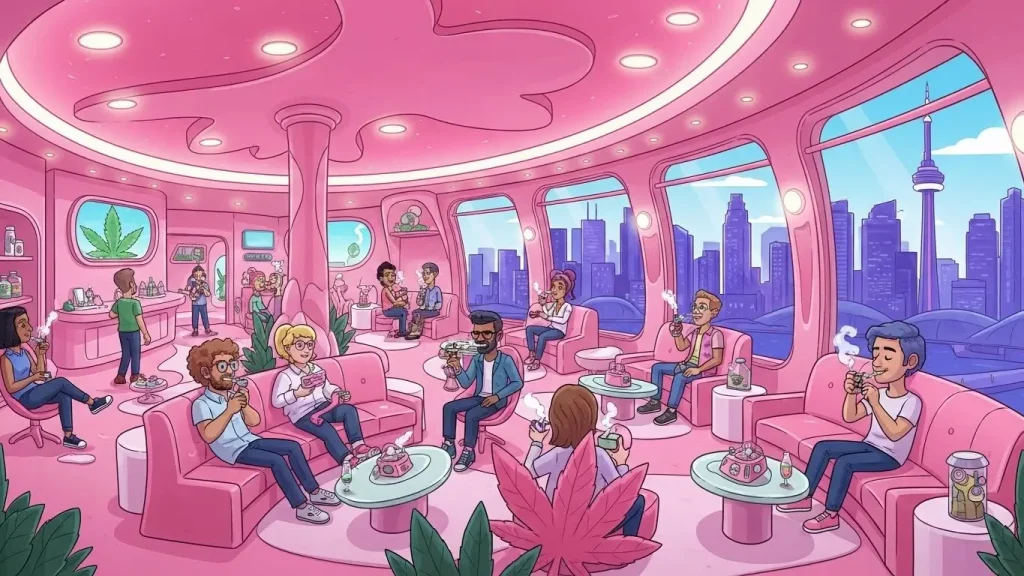
The air is buzzing in Toronto—not just with energy, but with the distinct, anticipated possibility of a new kind of social venue. For years, since national cannabis legalization in 2018, consumers have been left in a legal gray area: you can buy it, you can own it, but where can you legally enjoy it outside your home? The concept of a cannabis consumption lounge—a safe, regulated, and social space to partake—has felt just out of reach.
That reality is set to change dramatically in 2026. We’re standing at the precipice of a transformative year for social consumption in Canada’s largest city. Driven by a maturing market, evolving consumer demands, and proactive regulatory streamlining, Toronto is poised to redefine what it means to be a cannabis-friendly metropolis. This isn’t about clandestine smoke sessions; it’s about the rise of sophisticated cannabis hospitality, integrating wellness, community, and commerce in spaces designed for the modern, discerning consumer.
If you’re an entrepreneur eyeing this green frontier, a consumer eager for legal social spaces, or an investor tracking the next big wave, understanding the 2026 landscape for cannabis lounges in Toronto is not just interesting—it’s essential. This comprehensive guide will unpack the regulations, trends, business models, and cultural shifts that will define the future of cannabis lounges and social consumption in Toronto.
The 2026 Regulatory Landscape: Laying the Groundwork for Lounges
For a cannabis lounge to operate legally, the regulatory stars must align. 2026 is shaping up to be the year where federal, provincial, and municipal frameworks converge to create a viable path forward. Understanding this foundation is the first step for any serious business plan.
Federal Streamlining and Provincial Openings
At the federal level, Health Canada has been actively streamlining cannabis regulations to reduce barriers for businesses while maintaining public health and safety. Key amendments that took effect in 2025 include relaxed rules on cannabis packaging and labelling, which now allow for more branding and informational flexibility—a crucial element for lounge menus and product displays. Furthermore, changes to security requirements for licensed premises reduce operational costs, making smaller-scale, hospitality-focused venues more financially feasible.
Most critically, the amendments clarified rules around cannabis derivatives and production, opening doors for sophisticated, lounge-specific product offerings like artisanal edibles and unique extracts that go beyond the standard retail shelf.
The provincial government holds the key to legal social consumption sites. While Ontario has yet to launch a full provincial licensing regime for lounges, the demand is clear. Industry advocates and forward-thinking policymakers are building the case, pointing to successful models in other jurisdictions and the need to combat the illicit market by providing legal alternatives. The groundwork for a provincial pilot program or licensing framework in 2026 is actively being laid, with Toronto expected to be a primary test bed.
Municipal Momentum and Toronto-Specific Rules
The City of Toronto will play the most direct role. Municipalities have the power to pass bylaws permitting and regulating consumption venues, much like they do for patios and hookah lounges. Key considerations for Toronto will include:
- Zoning Bylaws: Determining where cannabis consumption lounges can be located, likely with buffers from schools, community centers, and other sensitive areas.
- Ventilation and Air Quality Standards: Establishing strict requirements to ensure no impact on neighboring businesses or residences.
- Licensing and Inspections: Creating a new business license category with associated fees and compliance checks.
- Harm Reduction Protocols: Mandating staff training, clear usage rules, and partnerships with safe ride programs.
The city’s approach will be guided by public health, community feedback, and a desire to foster responsible cannabis tourism. The success of early applicants will depend heavily on demonstrating how their venue enhances, rather than disrupts, the neighborhood.
The Non-Negotiables: Age, Impairment, and Safety
Regardless of the specific lounge license, core cannabis laws remain non-negotiable. You must be 19 and older to enter or consume. Impaired driving laws are stricter than ever; starting in 2026, Ontario increased administrative license suspensions for first-time drug-impaired driving occurrences from three to seven days. A zero-tolerance policy remains for young, novice, and commercial drivers. Any cannabis lounge business model must have a robust strategy to prevent impaired driving, including promoting ride-share partnerships and potentially offering overnight lock-up for personal cannabis.
What This Means for Entrepreneurs
The regulatory window is opening. Now is the time to engage with municipal councillors, understand proposed zoning changes, and design business plans that prioritize compliance and community benefit. The first wave of licenses will likely go to operators who can prove they are part of the solution.
The 2026 Consumer: Who Will Patronize Toronto’s Cannabis Lounges?
Gone are the days of a single, stereotypical cannabis user. The market has matured and fragmented. Your lounge’s success hinges on understanding the diverse cannabis consumer of 2026 and designing an experience that meets their specific needs.
Table: The Four Primary Cannabis Lounge Consumer Personas for 2026
Key Demographic Shifts
- Women Are the New Majority: More than half of cannabis consumers are now women, and they skew heavily toward wellness and non-smokable formats. A lounge that only caters to traditional smoking will miss this crucial demographic.
- The Rise of the “Sober-Curious”: 30% of consumers now prefer cannabis over alcohol entirely, a trend amplified during occasions like Dry January. Lounges offer a compelling alcohol-free social destination.
- Experience Over Intoxication: Sixty-four percent of consumers cite relaxation—not just getting high—as their primary goal. They seek specific, functional outcomes, which lounges can facilitate through curated menus and settings.
The Demand for Discretion and Convenience
While social, consumers still value discretion. The massive growth in edibles and beverages (which saw an 11% sales surge) is a direct result of this. A successful lounge will normalize consumption by offering a variety of low-profile, non-smoking options that allow people to participate without drawing attention. Furthermore, integrating digital-first conveniences like online table reservations, pre-ordering from a digital menu, and loyalty programs accessed via app will be table stakes for this tech-savvy audience.
Designing the 2026 Cannabis Lounge: Business Models & Experience
With the consumer in mind, what will a successful cannabis social club in Toronto actually look like? Several distinct models are emerging, each with its own value proposition.
The Primary Business Models
- The Dedicated Consumption Lounge: A standalone venue where the primary activity is the legal purchase and consumption of cannabis on-site. This model requires the most comprehensive licensing but offers the highest control over the brand and customer experience. It can range from a high-end, members-only club to a casual, pay-as-you-go café.
- The Integrated Hospitality Venue: Cannabis consumption is offered as an amenity within an existing licensed business. Imagine a licensed café with a designated, separately ventilated patio for cannabis, or a yoga studio that offers a curated post-session microdose. This model can leverage existing infrastructure and customer bases.
- The Event-Based or Temporary Model: Pop-up lounges at festivals, private events in rented spaces, or “cannabis pairing dinners” at partnered restaurants. This lower-risk model allows for market testing, brand building, and revenue generation while awaiting permanent licensing.
Core Experience Pillars for 2026
Regardless of the model, winning lounges will be built on these pillars:
- Education & Curation: Staff will be expert guides, not just order-takers. They’ll help guests navigate cannabinoid and terpene profiles to find products that deliver their desired effect—be it creative, relaxed, or social. Menus will be organized by experience, not just THC percentage.
- Community & Events: The space itself is the product. Programming is key: think workshops on growing, sessions with cannabis industry experts, art exhibits, live music, or networking nights. This builds repeat visitation and loyalty.
- Technology Integration: From ID-scanning kiosks for age verification to tablet-based menus with detailed product info and user reviews, tech will streamline operations and enhance the experience. AI-powered personalization could suggest products based on a guest’s past preferences or stated mood.
- Harm Reduction & Responsibility: This is a cornerstone of the legal model. Lounges will provide water and snacks, train staff to recognize over-consumption, have clear policies, and actively partner with rideshare services. Demonstrating this commitment is critical for regulatory and community approval.
The Road to Opening: A Step-by-Step Action Plan for 2026
Turning the vision into reality requires a meticulous, phased approach. Here is a practical checklist for aspiring lounge operators.
Table: Pre-Launch Checklist for a Toronto Cannabis Lounge
| Phase | Key Actions | Timeline (Pre-2026 Opening) |
|---|---|---|
| Phase 1: Foundation & Feasibility | – Conduct deep market research on location, competition, and target demographics. – Develop a detailed financial model (startup costs, operating expenses, revenue projections). – Form a legal entity and secure initial funding/financing. | 12-18 Months Prior |
| Phase 2: Regulatory Navigation & Design | – Engage a lawyer specialized in cannabis and municipal law. – Begin pre-consultation with City of Toronto planners and the local Councillor. – Secure a conditional lease based on zoning approval. – Hire architects/designers to create plans focused on layout, ventilation, and compliance. | 9-12 Months Prior |
| Phase 3: Financing & Partnership | – Finalize business plan and pitch deck. – Secure all necessary capital (investors, loans, etc.). – Establish supply agreements with licensed producers and distributors. – Hire key management staff (GM, Head of Security, Experience Director). | 6-9 Months Prior |
| Phase 4: Build-Out & Licensing | – Submit formal license applications to the municipality (and province, if required). – Begin physical build-out of the space. – Develop standard operating procedures (SOPs) for all operations. – Initiate staff recruitment and develop training programs. | 3-6 Months Prior |
| Phase 5: Pre-Launch & Marketing | – Finalize all staff hiring and complete intensive training. – Launch pre-marketing campaign: website, social media, local PR, and potential membership/guest list sign-up. – Conduct soft opening/friends & family night to test systems. – Ensure all final inspections are passed. | 1-3 Months Prior |
Critical Path Item: The Supply Chain
You cannot operate like a traditional bar that buys wholesale. In Ontario, you must purchase all cannabis from the Ontario Cannabis Store (OCS) or its authorized distributors. Your lounge will need a retail sales license to purchase at wholesale rates for on-site resale. Building relationships with brokers and brands early is essential to curate a winning menu.
Navigating Challenges and Mitigating Risks
The path is promising, but not without hurdles. Smart operators are planning for these challenges now.
- Financial Hurdles: Traditional banks remain hesitant. Expect higher fees, stricter terms, and the need for creative financing. Cannabis business loans and specialized investors are key. Detailed, conservative financial models are your best tool for securing capital.
- Insurance Complexities: Liability insurance for a cannabis consumption venue will be a new and costly product. Work with brokers who have specific experience in this niche.
- Community NIMBYism (“Not In My Backyard”): Proactively engage your future neighborhood. Hold community meetings, present your safety and operational plans, and highlight the economic and cultural benefits (jobs, tourism, reducing public consumption). Be a partner, not just a tenant.
- The Persistent Illicit Market: Your competitive advantage is safety, quality, and experience. You offer lab-tested products, a controlled environment, and a social setting that illicit dealers cannot match. Emphasize this in your marketing.
The Bigger Picture: Lounges as Catalysts for Industry Growth
The rise of cannabis lounges in Toronto is more than a new business category; it’s a catalyst for the entire Canadian cannabis industry.
- Driving Product Innovation: Lounges create demand for new, experience-driven products—think small-batch, terpene-rich flower for vaporizer bars, or chef-crafted, lounge-exclusive edibles. This benefits micro-cultivation and micro-processing license holders who specialize in craft products.
- Amplifying Tourism: Toronto can become a global destination for cannabis tourism. Lounges are the anchor experience around which tours, cannabis-friendly accommodations, and partnered events can be built, bringing new revenue into the city.
- Normalization and Education: Legal, visible, and well-run social spaces do more to destigmatize cannabis than any advertising campaign. They integrate cannabis into the fabric of responsible adult life and provide a platform for ongoing consumer education.
The upcoming Grow Up Conference in Toronto in January 2026 is the perfect example of this ecosystem in action. It’s where lounge entrepreneurs will connect with equipment suppliers, legal experts, product manufacturers, and investors, showcasing how the industry converges to support this new vertical.
FAQ: Your Top Questions on Toronto Cannabis Lounges in 2026
- Q: When will the first legal cannabis lounge open in Toronto?
- A: While no official date is set, the regulatory and industry momentum suggests we could see the first licensed pilot locations seeking approval by mid-to-late 2026. The timeline depends entirely on the City of Toronto finalizing and passing its necessary bylaws.
- Q: Can I bring my own cannabis to a lounge?
- A: This is a key regulatory question. The most likely model, based on other jurisdictions, is that lounges will be required to sell all cannabis consumed on-site. This ensures product traceability, quality control (all products are from the legal market), and generates the sales revenue that makes the business viable. “BYOC” models present significant regulatory challenges.
- Q: Will lounges serve food and alcohol?
- A: Current provincial regulations strictly separate cannabis and alcohol sales. It is highly unlikely that a venue will have both a cannabis sales license and an alcohol license. However, serving non-alcoholic beverages and food (either made on-site or through partnerships with local restaurants) will be a major focus and a key differentiator for lounges.
- Q: How will lounges deal with the smell of cannabis?
- A: State-of-the-art ventilation and air filtration systems will be a mandatory part of the building code for licensed lounges. These systems will actively scrub the air to prevent any odor from impacting neighboring businesses or residences. Expect this to be a heavily inspected component of the license.
- Q: Is cannabis use among youth expected to increase with lounges?
- A: Data since national legalization shows the opposite trend. A major study published in Addictive Behaviors Reports found that current cannabis use among students in grades 9-12 slightly decreased in the four years following legalization, from 15.0% to 12.3%. Legal, age-restricted, regulated environments for adults are not associated with increased youth use.
- Q: What’s the number one mistake new lounge entrepreneurs make?
- A: Underestimating the capital required and the timeline for approval. This is not a quick-turnaround business. The number one success factor is patience, deep pockets, and a relentless focus on navigating the regulatory process with expert help.
Final Thoughts: Your Invitation to the Future
The future of cannabis social consumption in Toronto is no longer a hypothetical discussion. It’s a business plan, a design schematic, and a community conversation happening right now. 2026 is the year the blueprint becomes a building.
For entrepreneurs, this is a rare greenfield opportunity to define a new hospitality category. For consumers, it’s the long-awaited freedom to enjoy a legal product in a legal, social setting. And for the city, it’s a chance to lead, innovate, and responsibly integrate a multi-billion dollar industry into its cultural and economic landscape.
The question is no longer “if,” but “how” and “who.” Who will be the first to create that iconic Toronto lounge experience? The market is ready, the regulations are aligning, and the time for action is now.
Are you ready to be part of shaping Toronto’s cannabis culture? Share your thoughts on what your ideal cannabis lounge would look like in the comments below. For more in-depth analysis on cannabis business trends, subscribe to our newsletter.