
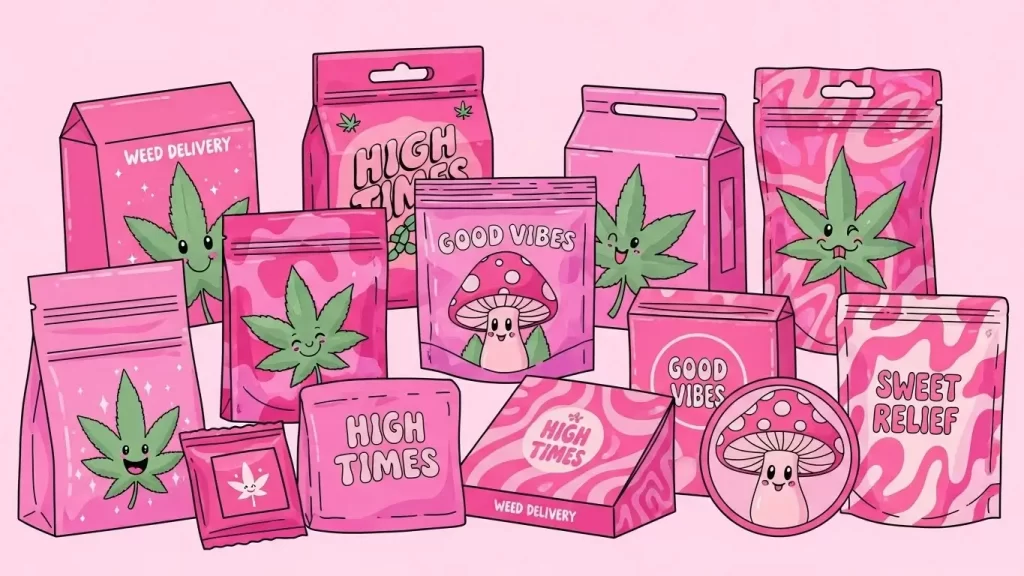
Picture this: a customer has just ordered a premium cannabis product for delivery. Their first experience isn’t in a sleek dispensary; it’s with the package that arrives at their door. In that moment of unboxing, your weed delivery packaging becomes the single most important ambassador for your brand. In the rapidly maturing cannabis marketplace of 2026, where competition is fierce and consumer loyalty is hard-won, your packaging strategy is no longer just about compliance—it’s about connection.
The stakes are incredibly high. The Global Legal Cannabis Packaging Market is projected to grow from USD 1.5 billion in 2022 to an estimated USD 5.4 billion by 2030. Much of this growth is fueled by the explosive expansion of cannabis delivery services and e-commerce platforms. For businesses, this means that designing for the delivery experience is just as critical as designing for the dispensary shelf. Are you ready for the doorstep revolution? This guide will walk you through the seven definitive trends that will define successful cannabis packaging in 2026, ensuring your brand doesn’t just deliver a product, but an unforgettable experience.
The 2026 Delivery Packaging Landscape: More Than a Box
The industry is shifting from seeing packaging as a mere protective container to viewing it as a core component of the customer journey and brand identity. This is especially true for delivery, where the package is the primary, and sometimes only, physical touchpoint.
Consider the consumer psychology: research indicates that up to 93% of shoppers make purchase decisions based on visual appearance, and consumers typically form an opinion about packaging within just 7 seconds. When that brief window occurs in a customer’s home, the pressure to impress is immense. A 2026-forward approach means integrating cutting-edge design, user-centric functionality, and ironclad compliance into a single, seamless system designed specifically for the logistics of getting from your facility to the consumer’s hands.
Seven Essential Weed Delivery Packaging Trends for 2026
1. Sustainable & Regenerative Materials Become Non-Negotiable
By 2026, sustainability in cannabis delivery packaging will be a baseline expectation, not a marketing differentiator. Consumers, particularly in the cannabis space which is rooted in nature, are demanding proof of environmental responsibility. Leading brands are moving beyond recycled paper to embrace truly innovative, regenerative solutions:
- Hemp-Based Plastics and Papers: Closing the loop by using materials derived from the cannabis plant itself.
- Mycelium and Mushroom Packaging: For protective, compostable cushioning that replaces foam peanuts and bubble wrap.
- Water-Soluble Films: Ideal for single-dose edible packaging that dissolves safely.
- Compostable Inks and Adhesives: Ensuring the entire package breaks down cleanly without toxic residue.
For delivery, this trend extends to the shipping materials. Is your outer mailer compostable? Are your ice packs plant-based? Every layer must tell a consistent story of sustainability.
2. Smart & Interactive Packaging for Enhanced Trust and Experience
Technology is transforming passive boxes into interactive brand portals. This is crucial for delivery, where you can’t have a budtender explain the product. Smart packaging bridges this gap:
- QR Code 2.0: Gone are the days of simple links to a website. In 2026, QR codes on delivery packages will unlock batch-specific lab results, terpene profiles, suggested pairings, and video messages from the grower.
- Freshness and Integrity Indicators: Temperature-sensitive inks or labels that change color if the product has been exposed to harmful conditions during transit provide peace of mind.
- NFC (Near-Field Communication) Tags: A simple tap with a smartphone can authenticate the product, pulling up its full journey from seed to doorstep, combating counterfeiting and building immense trust.
3. Color Psychology and Visual Storytelling Beyond Green
The tired cliché of the green cannabis leaf is officially retired for forward-thinking brands in 2026. Consumers are fatigued with predictable imagery, creating a massive opportunity for differentiation through sophisticated color psychology. Strategic color choices can influence emotion and perception before the package is even opened:
- Purple and Deep Blues: Convey luxury, creativity, and trust—perfect for premium or craft product lines.
- Earthy Tones and Warm Metallics: Suggest a natural, organic, and high-end ethos, appealing to wellness-focused consumers.
- Bold, Vibrant Hues: Signal energy, fun, and social vibes, ideal for recreational-focused brands.
The key is aligning your color palette with your brand’s core narrative—be it wellness, innovation, or craft quality—and ensuring it stands out in a delivery driver’s bag and on a customer’s doorstep.
4. Functional Minimalism and Superior User Experience
Minimalist design is evolving from an aesthetic into a philosophy of functional simplicity. For delivery cannabis products, this means packaging that is intuitive, easy to open (yet child-resistant), and enhances daily use.
- Ergonomic and Accessible Design: Features like easy-grip textures, magnetic closures, and clear, legible typography aren’t just nice-to-haves; they’re becoming standard, making packaging easier to use for everyone.
- All-in-One Modular Systems: Packaging that cleverly houses multiple product formats (like a pre-roll, lighter, and ashtray) in one compact, delivery-optimized unit.
- Re-sealability and Preservation: For products like flower or edibles, packaging that maintains freshness after multiple openings is critical for customer satisfaction and repeat delivery orders.
5. Tactile & Multi-Sensory “Unboxing” Rituals
The moment of delivery unboxing is a golden opportunity to create a memorable brand moment. In 2026, leading brands are designing for a multi-sensory experience:
- Tactile Finishes: Soft-touch coatings, raised embossing, or textured papers create a subconscious association with quality and care.
- Structural Innovation: Unique container shapes (like hexagonal or biomorphic forms inspired by nature) feel distinctive in the hand and communicate brand values before the lid is off.
- Layered Reveals: Creating anticipation through thoughtful sequencing—opening the mailer, then a box, then a custom insert—turns a simple delivery into an event worth sharing on social media.
Brands that master this experiential unboxing report significant increases in customer loyalty and organic social media promotion.
6. Hyper-Personalization and Dynamic Branding
Personalization is moving beyond a name on a label. With data from delivery platforms and subscription models, packaging in 2026 can be tailored to individual consumer preferences.
- Customized Curations: For weed subscription box services, packaging can reflect the theme or strain profile of that month’s curated selection.
- Variable Data Printing: Short runs of packaging with localized artwork, seasonal designs, or community-specific messaging make each delivery feel special.
- Integrated Loyalty: Packaging that includes a unique code for points, rewards, or a discount on the next delivery order encourages immediate re-engagement.
7. Compliance-First Design, Built for Evolving Regulations
The regulatory environment for cannabis is in constant flux. Future-proof packaging for delivery must be designed to adapt. This means:
- Modular Labeling Systems: Designing packages with clear, dedicated spaces for warning labels and mandatory information that can be updated with stickers or sleeves as regulations change, without a full packaging redesign.
- Universal Child-Resistance: Developing reliable child-resistant mechanisms that work perfectly through the mail and are intuitive for adults to open.
- Material Transparency: Clearly stating packaging materials and end-of-life disposal instructions to meet growing “right-to-know” consumer and regulatory demands.
Comparison of Key 2026 Packaging Trends for Delivery vs. Retail
| Trend | Focus for Retail/Dispensary | Focus for Delivery Services |
|---|---|---|
| Sustainability | Shelf appeal with eco-materials | Full lifecycle impact, including shipping materials |
| Smart Features | In-store engagement & education | Post-delivery engagement, authenticity, and re-order links |
| Unboxing Experience | Less critical (opened post-purchase) | The core brand experience; designed for shareability |
| Personalization | Broad demographic targeting | Data-driven based on order history and preferences |
| Compliance | Meeting state-specific point-of-sale rules | Integrity through transit and compliance at destination |
Building a Future-Proof Packaging Strategy for Your Delivery Business
Adopting these trends requires a strategic shift. View your weed delivery packaging not as a cost, but as a direct investment in customer acquisition, loyalty, and brand equity. Start by auditing your current packaging through the lens of the delivery journey. Partner with suppliers who specialize in compliant, innovative cannabis packaging and can scale with your delivery growth. Finally, always design with the end in mind—not just the end consumer, but the end of the package’s life, ensuring it aligns with your brand’s values from the first mile to the last.
The future of cannabis is at the doorstep. By embracing these seven trends, your brand can ensure that every delivery is a powerful, positive, and profitable brand experience.
FAQ: Weed Delivery Packaging Trends 2026
Q1: What is the most important trend in weed delivery packaging for 2026?
While all trends are interconnected, sustainability as a standard is arguably the most critical. By 2026, using eco-friendly, compostable, or regenerative materials won’t give you an edge—it will be a basic requirement to operate in the market, especially for consumers who choose home delivery for its modern convenience.
Q2: How can I make my delivery packaging stand out if I’m on a budget?
Focus on functional minimalism and smart QR codes. A clean, intuitive design with high-quality, tactile paper can feel premium without extravagant costs. Investing in a dynamic QR code system is also cost-effective, allowing you to create a rich digital experience (videos, lab results, stories) that adds immense value without changing the physical package.
Q3: Are there specific regulations for cannabis packaging that is mailed or delivered?
Yes, and they are stringent. Delivery packaging must maintain child-resistant properties throughout the shipping process and upon delivery. It must also ensure opacity (so the product isn’t visible) and contain all mandatory state-specific labeling. Always consult legal counsel to ensure your delivery packaging complies with both shipping carrier rules and the cannabis regulations in every jurisdiction you serve.
Q4: How does packaging for a weed subscription box differ from standard delivery packaging?
Weed subscription box packaging requires a stronger focus on thematic storytelling and hyper-personalization. Each box is a curated experience, so the packaging should reflect the monthly theme, create a sense of anticipation, and feel like a personalized gift. Durability is also key, as these boxes may go through more handling in monthly shipping cycles.
Q5: What’s a simple first step to upgrade my current delivery packaging?
Conduct an “unboxing audit.” Order your own product for delivery and experience it as a customer does. Note everything: Is the outer mailer discreet and professional? Is it easy to open? Is the internal presentation appealing? Does the packaging clearly guide you to lab results or brand information? This firsthand experience will immediately highlight your biggest opportunities for improvement.