
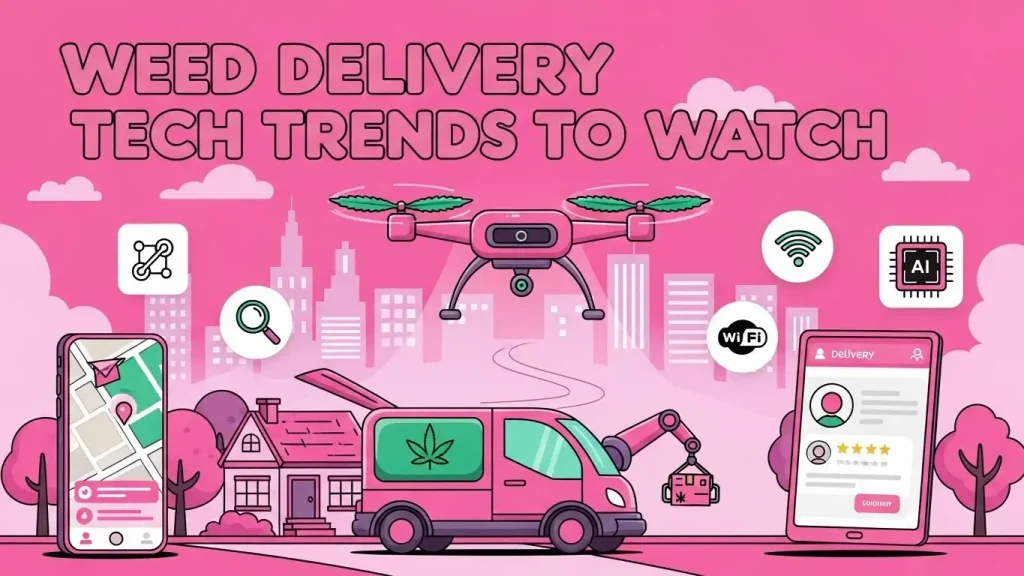
The way you order and receive cannabis is about to get a major upgrade. The weed delivery sector is exploding, projected to reach a market value of $7.5 billion by 2033. But the real story isn’t just growth—it’s a revolution in convenience, safety, and personalization driven by cutting-edge technology.
Gone are the days of uncertain quality and clunky ordering. In 2026, technology is stepping in to solve the industry’s oldest problems, from cash-only payments to generic experiences. This article breaks down the top weed delivery tech trends set to redefine the market, ensuring you know exactly what to expect and how to find the best, safest, and most convenient service.
Ready to see the future of cannabis convenience? Let’s dive in.
Key Consumer Shifts Fueling Tech Investment
To understand the tech, you first need to understand the modern consumer. The demographic buying cannabis has transformed. Women now make up more than half of all cannabis consumers, and their preferences are driving demand toward wellness-oriented, discreet products like edibles, tinctures, and beverages.
This isn’t about just getting high. For 64% of consumers, the primary goal is relaxation, positioning cannabis as a direct alternative to alcohol and pharmaceuticals. This wellness focus means consumers are more informed; they’re looking beyond THC percentage to understand specific cannabinoid and terpene profiles for targeted effects.
What does this mean for delivery? Consumers now shop for cannabis like they shop for everything else: online, with high expectations. A staggering 68% of consumers expect clear online menus before they even visit a store, and 75% are influenced by easy reordering capabilities. They don’t just want a product dropped off—they want a seamless, educational, and personalized digital experience that fits their lifestyle.
The Engine of Change: Next-Gen Delivery Platforms & Apps
The backbone of the 2026 delivery experience will be sophisticated digital platforms. These are far more than simple listing services; they are integrated ecosystems connecting you directly to licensed dispensaries with robust logistics.
The App Landscape: More Choices, Smarter Features
Leading platforms like Weedmaps, Eaze, and Dutchie are evolving rapidly. Their core features are becoming industry standards that you should look for:
- Real-Time GPS Tracking: Monitor your order from preparation to your doorstep.
- Verified Listings & Reviews: Ensure you’re buying from compliant, reputable sources.
- AI-Powered Personalization: Get smart product recommendations based on your past purchases and desired effects.
- Integrated ID Verification: Streamlined, secure age verification for a frictionless checkout.
What to watch for in 2026: The competition will focus on hyper-local speed and niche services. Apps like Amuse promise express delivery, while others like Nugg offer virtual “budtender” chat support to guide your purchase. The winning apps will be those that best blend a vast selection with the feel of a personalized, local service.
Operational Models: How Your Order Gets to You
Ever wonder how delivery services manage their logistics? Most operate on one of three models, each with implications for your speed and product choice:
| Delivery Model | How It Works | Ideal For | Your Experience |
|---|---|---|---|
| Pizza Model | Drivers wait at a central hub (the dispensary) for orders. | Startups & smaller operations. | Reliable, full menu access, but potentially longer wait times. |
| Ice Cream Truck Model | Drivers patrol zones with a pre-set inventory in their vehicle. | Services prioritizing speed in dense urban areas. | Extremely fast delivery, but limited to the selection in the vehicle. |
| Hybrid Model | Combines both: drivers have some stock and can also fetch from a central hub. | Established services in large delivery zones. | A good balance of speed and selection, offering the best of both worlds. |
Understanding these models can help you choose a service that matches your priority—whether it’s the fastest possible drop-off or access to a specific product.
Beyond the Box: Tech-Transformed Touchpoints
The technology revolution extends far beyond the app on your phone. It’s enhancing every physical touchpoint of the delivery journey, building trust and delight in unexpected ways.
Smart Packaging: Your Product Gains a Voice
In 2026, your delivery package will do much more than just hold your product. Weed delivery packaging is becoming an interactive brand experience and a critical tool for safety and transparency.
- QR Codes & NFC Tags: A simple scan can reveal a wealth of information—full lab results for potency and contaminants, detailed terpene profiles, farm-origin stories, and even recommended usage videos.
- Tamper-Evidence & Freshness Seals: Smart seals indicate if a package has been opened, providing crucial peace of mind for doorstep delivery.
- Sustainability as Standard: With consumers increasingly eco-conscious, compostable mailers, plant-based plastics, and recycled materials are moving from a “nice-to-have” to a non-negotiable expectation.
Pro Tip: When your next delivery arrives, scan every QR code. This is where brands communicate their commitment to quality and compliance, turning a simple unboxing into an educational experience.
The Payments Breakthrough: Finally Ditching the Cash
The single biggest friction point in cannabis—cash-only transactions—is being solved by technology faster than by Congress. While federal banking reform (like the SAFE Banking Act) remains uncertain, fintech companies are creating compliant, digital solutions.
- Closed-Loop Payment Systems: Think of these like a cannabis-specific digital wallet or gift card system. You load funds securely to make seamless, card-like transactions without triggering traditional banking restrictions.
- Real-Time Settlement: These new systems offer faster access to funds for businesses, which stabilizes the industry and allows for more reliable service.
- Enhanced Security: Moving away from large cash reserves on-site makes deliveries safer for drivers and businesses alike.
For you, the consumer, this means the checkout process will start to look and feel like any other modern e-commerce purchase—secure, digital, and convenient.
The Foundation: Compliance, Logistics & Consumer Trust
All the flashy tech in the world is meaningless without a foundation of trust. In 2026, leading services will use technology to reinforce safety, compliance, and reliability.
Automated Compliance & “RegTech”
Navigating the patchwork of state and local cannabis laws is a monumental task. Technology is essential for automation:
- Geo-Fencing & Age Verification: Apps use your location to ensure delivery is legal in your specific area and cross-reference your ID with order details.
- Transaction Tracking: Every sale is automatically logged in the state’s seed-to-sale tracking system, ensuring regulatory compliance from the moment you click “buy.”
- Route Optimization: Advanced software doesn’t just find the fastest route; it can avoid routes that pass near schools or other restricted areas, keeping deliveries compliant.
Data-Driven Personalization and Community
The future is not one-size-fits-all. Platforms are leveraging your anonymized purchase data (with consent) to:
- Suggest new products you might enjoy based on your history.
- Notify you when a favorite strain is back in stock.
- Offer tailored promotions, like discounts on wellness products if you frequently shop for sleep aids.
This creates a cycle of trust: the more a service reliably meets your specific needs, the more loyal you become.
Conclusion: Your Guide to the 2026 Delivery Landscape
The weed delivery tech trends of 2026 are converging to create a safer, smarter, and vastly more convenient experience for you. The market is shifting from simply fulfilling an order to curating a trusted, personalized wellness service.
As you explore delivery options in the coming year, use this guide as a checklist. Look for services that offer:
- Robust, transparent apps with real-time tracking and verified products.
- Educational, smart packaging that provides full product lineage.
- Secure, digital payment options that move beyond cash.
- Clear communication on compliance and safety practices.
The businesses that will earn your loyalty are those investing in these technologies not as gimmicks, but as genuine tools to serve you better. The doorstep is the new dispensary front door—make sure your delivery service is rolling out the welcome mat.
Frequently Asked Questions (FAQs)
What is the most important tech trend for weed delivery in 2026?
While AI and fast apps get attention, the most critical trend is the integration of fintech for digital payments. Solving the cash problem through secure, closed-loop systems makes the entire transaction safer, more convenient, and more professional, which elevates the entire industry’s standard of service.
How can I ensure my weed delivery is legal and safe?
Always use a licensed, verified platform (like those featured in this article) that requires full ID verification. Your order should be handed to you directly (never left unattended) and come in child-resistant, opaque packaging with all mandated state labels. Legitimate services are transparent about their licensure.
Are drone deliveries or robots going to be delivering weed in 2026?
While these are tested in very limited pilot programs, widespread drone or autonomous delivery is not a major trend for 2026 due to significant regulatory and security hurdles. The near-term focus is on perfecting human-driven logistics with advanced tracking and routing software.
How does delivery packaging differ from what I’d get in a store?
Delivery packaging has a much heavier burden. It must maintain child-resistance through shipping, ensure complete opacity, and be durable enough to protect the product in transit. It also serves as the primary brand touchpoint, so forward-thinking companies invest heavily in the unboxing experience with smart labels and sustainable materials.
With more states legalizing, will delivery become available everywhere in the U.S.?
Not immediately. Delivery legality is determined by state and often local ordinances, creating a complex patchwork. While expansion into new states like Pennsylvania and Florida is a key prediction for 2026, it remains a state-by-state battle. Always check your local laws.