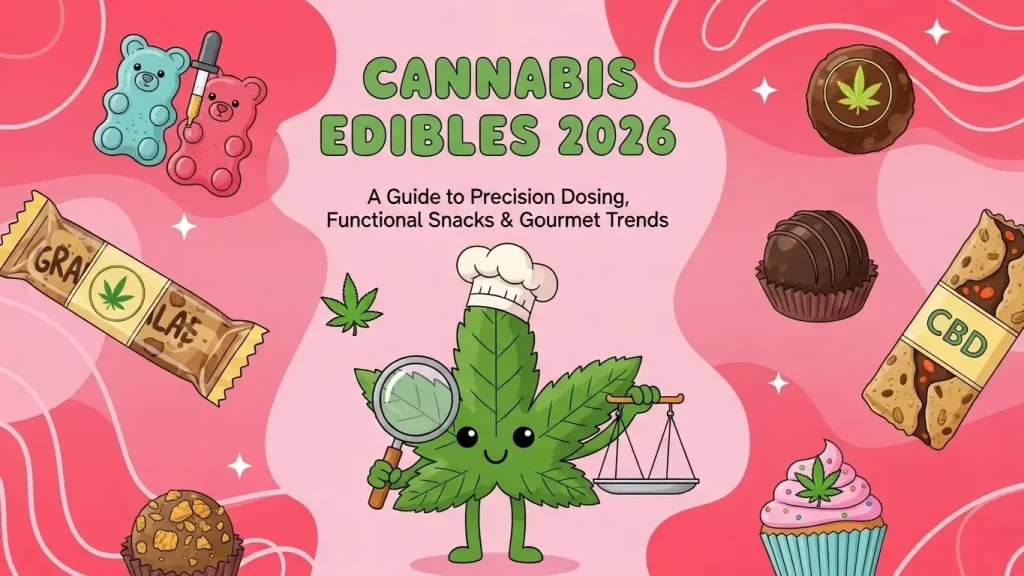
The world of cannabis edibles in 2026 is sophisticated, diverse, and booming. A far cry from the simple brownies of yesteryear, today’s market is driven by culinary excellence, wellness science, and technology that promises consistent, predictable experiences. If you’re looking to navigate this exciting landscape—whether you’re a curious newcomer or a seasoned connoisseur—this guide is your essential roadmap to the hottest trends, from precision dosing and functional snacks to the rise of gourmet cannabis experiences . We’ll break down what you need to know about microdosing, fast-acting beverages, and how to choose the perfect product for your goals, ensuring every bite is as intentional as it is delicious.
Why the Edible Revolution is Happening Now
The explosive growth in the cannabis edibles market is no accident. It’s a perfect storm of consumer demand for healthier, more discreet, and more controlled ways to enjoy cannabis. Beyond being a smoke-free alternative, modern edibles offer longer-lasting effects and precise, pre-measured servings that eliminate the guesswork .
This shift is backed by significant sales data. For instance, in legal U.S. states, medicinal cannabis edibles sales saw a staggering 60% increase from 2019 to 2020 alone . This trend continues to accelerate, driven by new consumers entering the market and existing users seeking more refined, functional, and enjoyable products. The industry has responded not just with more options, but with smarter, safer, and more delicious innovations that cater to a wellness-oriented lifestyle.
Trend 1: The End of Guesswork – The Era of Precision Dosing
For years, the biggest hurdle with edibles was unpredictability. In 2026, precision dosing is the non-negotiable standard. Consumers now demand—and receive—products with lab-verified, consistent THC and CBD content in every single gummy, chocolate square, or beverage .
What Precision Dosing Looks Like
- Clear, Standardized Labeling: Every product prominently displays cannabinoid content per serving and per package.
- Single-Serving Formats: From infused oils with droppers to individually wrapped microdose chocolates, portion control is built-in.
- The Microdose Movement: Low-dose options (typically 1-5mg THC) allow for subtle, functional effects perfect for daytime use or beginners .
The Golden Rule: Start Low, Go Slow
Even with precise labeling, individual biology is key. The universal mantra for a positive experience is “start low and go slow” . Effects can take 30 minutes to 2 hours to manifest, so patience is essential to avoid overconsumption .
Table: A Beginner’s Dosing Framework
| Experience Level | Recommended THC Starting Dose | Expected Effects |
|---|---|---|
| First-Time / Sensitive | 1 – 2.5 mg | Very mild; relaxation, slight mood uplift. |
| Novice / Occasional | 2.5 – 5 mg | Light euphoria; enhanced sensory perception. |
| Intermediate | 5 – 10 mg | More pronounced relaxation, potential mild impairment. |
| Experienced | 10 – 20+ mg | Strong psychoactive effects; not recommended for beginners. |
Trend 2: Functional & Wellness-Focused Snacks
Today’s cannabis edibles are as much about purpose as they are about pleasure. The category of functional snacks has exploded, with products designed to deliver specific wellness benefits, moving far beyond recreational use .
Key Categories in Functional Edibles:
- CBD-Forward & Balanced Ratios: Products high in CBD or with a 1:1 THC:CBD ratio are sought for relaxation, anxiety relief, and managing inflammation without intense psychoactivity . This synergy, known as the “entourage effect,” can create a more balanced experience .
- Adaptogen & Nootropic Infusions: The latest innovation blends cannabinoids with botanicals like ashwagandha (for stress), reishi (for immunity), or lion’s mane (for focus) to target specific outcomes .
- Dietary-Conscious Formulations: The market is rich with vegan, gluten-free, sugar-free, and allergen-friendly options, ensuring everyone can find a suitable product .
Pro Tip: Don’t assume “wellness” means “no high.” Always check the THC content. A functional snack for sleep might contain a sedating indica strain, while one for focus may use a sativa .
Trend 3: The Culinary Ascension of Gourmet Cannabis
Forget bland, earthy flavors. The gourmet cannabis trend is elevating edibles into the realm of high artisanal food. Leading chefs and chocolatiers are entering the space, focusing on superior ingredients, sophisticated flavor pairing, and stunning presentation .
The Gourmet Landscape:
- Artisan Chocolates: Think single-origin cacao, sea salt infusions, and terpene-forward strain pairing (e.g., a citrusy Super Lemon Haze strain in an orange-dark chocolate bar) .
- Savory Revolution: The market now extends to infused gourmet sauces, cooking oils, savory snack mixes, and even meal kits, opening up cannabis cuisine to dinner parties and everyday cooking .
- Novelty & Experience: Look for products like craft THC honey, infused maple syrup, or gourmet hot sauce that allow consumers to creatively customize their own meals and drinks .
This trend speaks to a consumer who views cannabis as a premium ingredient, worthy of the same consideration as a fine wine or specialty cheese.
Trend 4: Beverages and Fast-Acting Formats
One of the most dynamic sectors is cannabis-infused beverages. As social norms shift, these drinks are positioning themselves as a popular alternative to alcohol, especially for the “sober-curious” crowd .
Why Beverages are Booming:
- Fast-Acting Technology: Using nano-emulsification, THC in beverages is broken into tiny particles for faster absorption. This leads to onset times as quick as 15 minutes, rivaling smoking and solving a major pain point of traditional edibles .
- Social & Sessionable: Low-dose sparkling waters, iced teas, and mocktail-style drinks (like berry spritzers or mojitos) offer a controlled, familiar, and social way to consume .
- Discretion & Refreshment: They are completely discreet, calorie-light, and provide hydration—a stark contrast to sugary or heavy classic edibles.
This category is attracting major investment, with predictions that it will continue to “cannibalize” traditional alcohol sales in social settings .
Your Personal Edible Toolkit: A Step-by-Step Selection Guide
With so many options, choosing can be overwhelming. Follow this actionable checklist to find your perfect match.
- Step 1: Define Your “Why.” Are you seeking relaxation, creative stimulation, pain relief, sleep aid, or a social buzz? Your intention will guide the cannabinoid ratio and strain type.
- Step 2: Know Your Dose. Refer to the dosing chart above. If you’re new, start at 2.5mg or less. If you’re experienced, consider your usual tolerance but remember: edibles are processed differently by the body and can be more potent .
- Step 3: Pick Your Format. Do you want a fast-acting beverage, a long-lasting chocolate, a discreet microdose gummy, or a functional adaptogen blend?
- Step 4: Read the Label Like a Pro. Mandatory checks include:
- Total THC/CBD per serving & package.
- Lab Testing: Look for a Certificate of Analysis (COA) from a third-party lab for potency and contaminants.
- Ingredients: Align with dietary needs (vegan, gluten-free, etc.).
- Strain Type: Indica (relaxing), Sativa (energizing), or Hybrid (balanced).
- Step 5: Plan Your Setting. Especially for beginners, consume in a safe, comfortable environment with no driving or major responsibilities planned for the next 6-8 hours .
The Essential Safety & Consumption Playbook
Safety and responsibility are the foundations of a great experience. Here are the non-negotiable rules.
- Wait, Don’t Redose: The #1 mistake is taking more because you “don’t feel it yet.” Give it at least 90-120 minutes before considering more .
- Don’t Mix with Alcohol: Combining psychoactive substances can lead to unpredictable and unpleasant effects. Especially at first, enjoy edibles on their own.
- Store Securely: Always keep edibles in their original, child-resistant packaging, stored securely away from children and pets. They can be mistaken for regular candy or food .
- Have a Plan If You Overdo It: If you feel uncomfortably high, don’t panic. The effects will pass. Try sipping water, eating a non-infused snack, finding a quiet place to rest, and remember that CBD can help temper the effects of too much THC .
The Future of Edibles: What’s Beyond 2026?
The innovation shows no signs of slowing. Looking ahead, we can expect further personalization through technology, such as apps that track your dose and effects to recommend optimal products . Sustainability will become a bigger focus, with eco-friendly, biodegradable packaging becoming the norm . Furthermore, as federal regulations potentially shift in the U.S., we may see interstate commerce, broader research, and even more investment driving the next wave of edible science .
The overarching theme is clear: cannabis edibles are being normalized, refined, and integrated into a holistic, adult wellness lifestyle. The future is precise, functional, and undeniably gourmet.
Frequently Asked Questions (FAQs)
How long do the effects of an edible typically last?
While onset can take 30-90 minutes, the total experience is significantly longer than smoking. Peak effects occur around 2-3 hours after consumption, and the overall effects can last from 6 to 8 hours, with residual feelings sometimes lasting longer .
What’s the difference between an edible “high” and smoking?
When you inhale cannabis, THC enters your bloodstream quickly through the lungs. With edibles, THC is processed by your liver, converting it into a more potent metabolite called 11-hydroxy-THC. This results in a stronger, longer-lasting, and more bodily experience that can be more intense for some users .
I’m a regular smoker. Why are edibles so different for me?
Tolerance from smoking does not directly translate to edibles. Because the liver processes edibles differently, creating a different compound, even regular smokers can have unexpectedly strong reactions. Always start with a beginner dose (5mg or less) regardless of your smoking tolerance .
Are there legal, low-THC options for beginners or those sensitive to THC?
Absolutely. Many legal markets offer products that comply with hemp laws, containing 0.3% THC or less by dry weight. These often combine low-dose THC with higher amounts of CBD or other non-intoxicating cannabinoids for a gentle, functional effect .